How To Rig a 360 Flasher
with a Silent Pursuit Lure
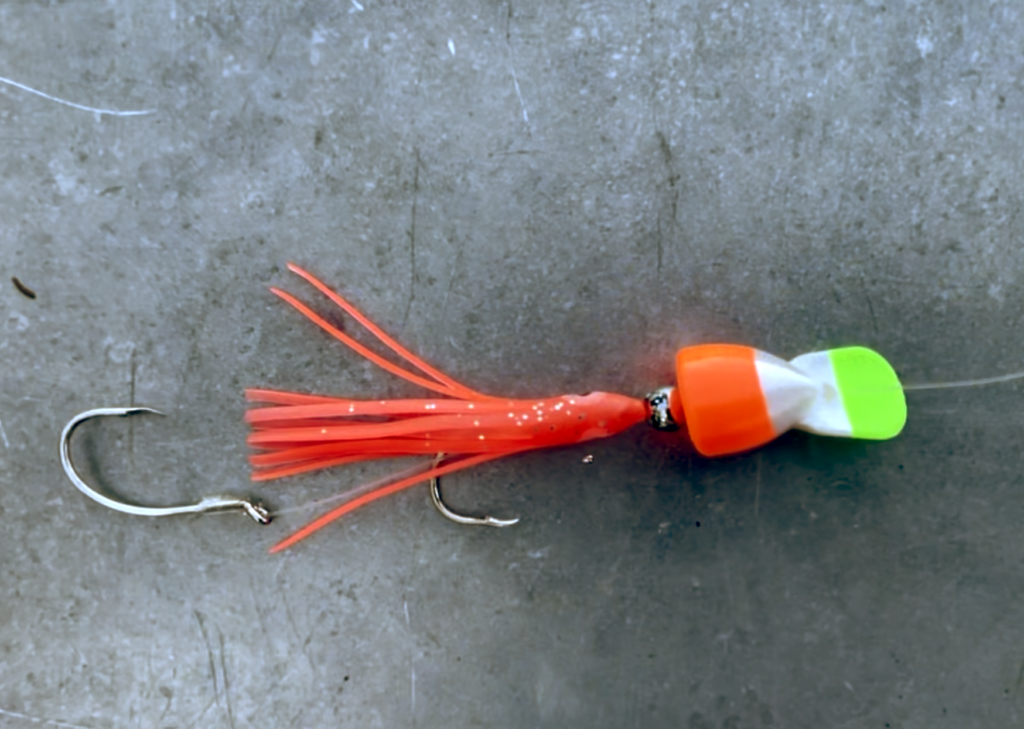
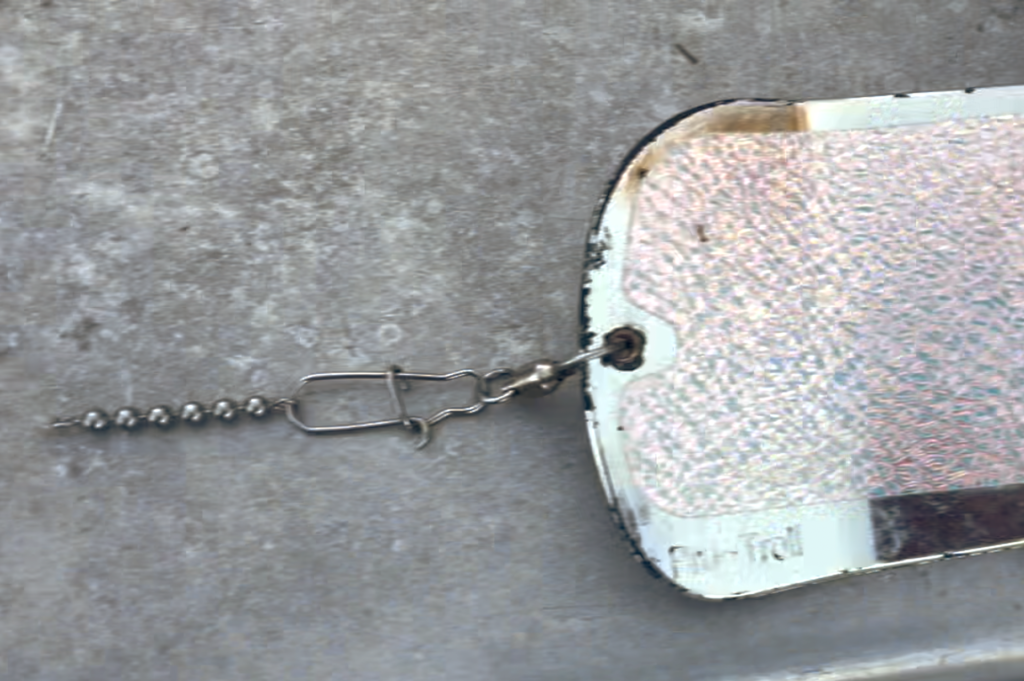
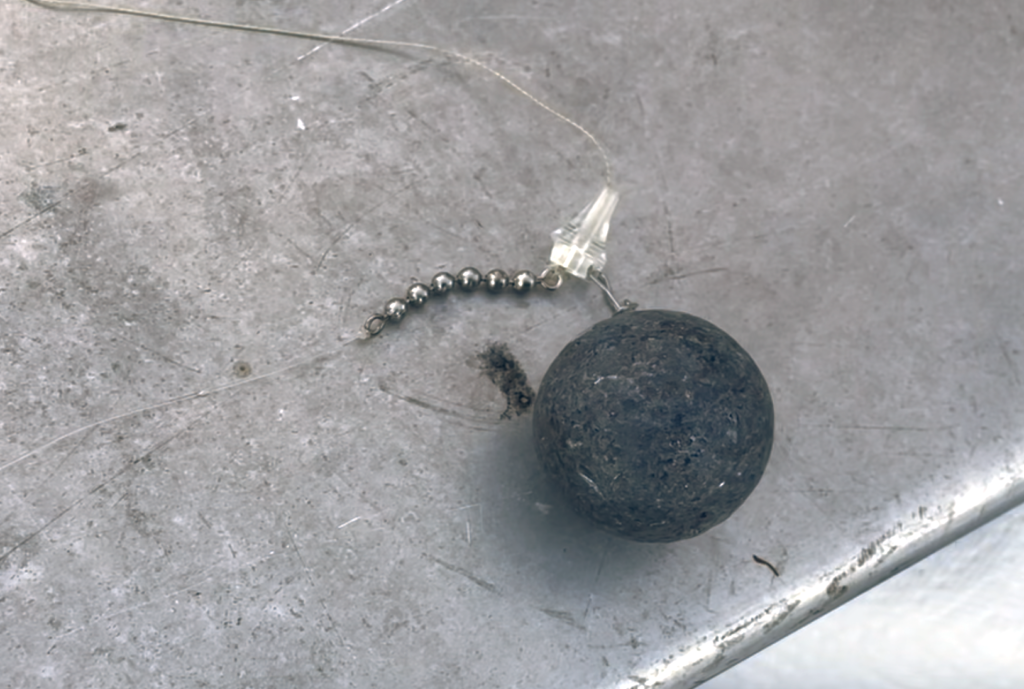
A 360 flasher paired with a Silent Pursuit Lure creates a high-action presentation designed to attract salmon from a distance. As the flasher rotates through the water, it produces flash, vibration, and movement. The Silent Pursuit Lure follows behind it, adding its own rotating blade and lifelike action to help trigger a strike.
This setup can be used while trolling for Chinook, coho, and other salmon in rivers, bays, and open water.
What You Will Need
Before building your rig, gather the following equipment:
- Slider Line Lock
- Lead Weight
- Bead-chain swivels
- Snap or quick-change connector
- Line Bumper
- 360 rotating flasher
- Leader material
- Silent Pursuit Lure
- Appropriate salmon hooks
- Optional scent, bait, or scent pad
- Scissors or line cutters
Always select leader strength, hook size, and hook configuration based on the salmon species you are targeting and the regulations for the water you are fishing.
Step 1: Attach a Slider Line Lock and Weight
Before connecting the flasher, slide a Slider Line Lock onto your main line. Run the main line through the Slide-N-Lock, and then tie the end of the line to a bead chain that will connect to the front of the 360 flasher.
Attach your lead weight to the Slide-N-Lock’s snap. A 12- to 20-ounce weight is a good working range, depending on the strength of the current, trolling speed, fishing depth, and how vertical you want to keep your line.
Use lighter lead when the current is mild and increase the weight as the current strengthens. The sliding design allows a salmon to pull against the rod rather than directly against the full weight of the lead. It also helps reduce line twist caused by the rotating flasher and protects braided main line from unnecessary wear.
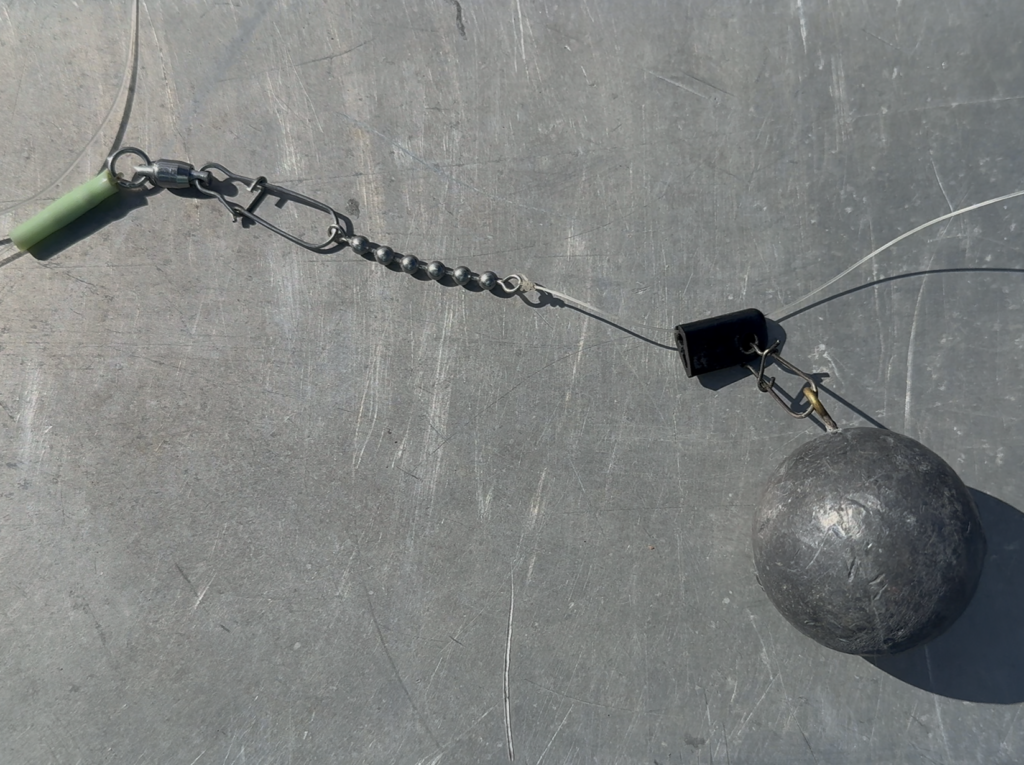
Step 2: Attach a 360 Flasher Line Bumper
Connect a 20- to 30-inch flasher bumper between your main line and the front of the 360 flasher. Clip one end of the bumper to the swivel below the Slider Lock, and attach the other end to the front connection point of the flasher.
The stiff, heavy monofilament helps keep the flasher separated from the main line so it can rotate cleanly without wrapping or fouling. It also creates a sacrificial section in the rig. If the weight or lower portion of the setup becomes snagged, the bumper can help protect your main line and reduce the chance of losing the flasher.
A 30-inch bumper made from 120-pound-test monofilament is a common ready-made option. Commercial bumpers may also include quick-disconnect clips, making it easier to change flashers or store the rig.
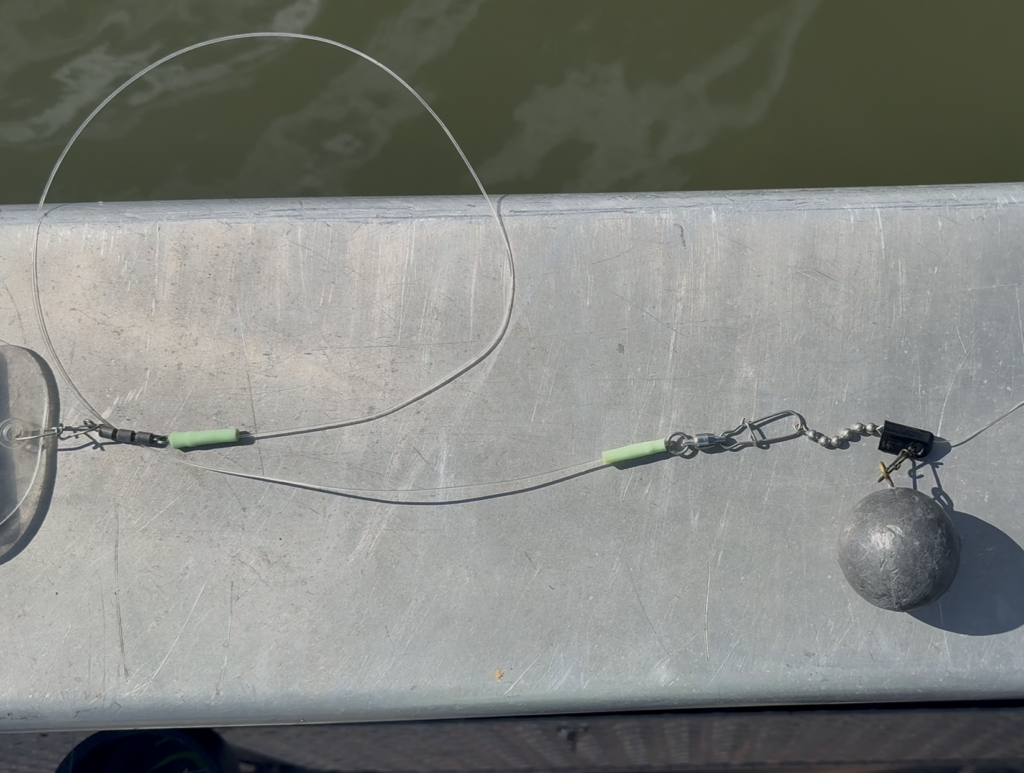
Step 3: Attach a 360 Flasher
Connect the 360 flasher between the flasher bumper and the lure leader, making sure the flasher is facing the correct direction.
Attach the 20- to 30-inch bumper to the end of the flasher without the fins. This is the front of the flasher and should face toward the fishing rod and main line.
Attach the lure leader to the end with the fins with a bead chain. The fins are located at the trailing end of the flasher and help create its rotating 360-degree action as it moves through the water.
The completed order should be:
Main line → Slider Lock and weight → flasher bumper → 360 end without fins → 360 flasher → 360 finned end → bead chain → lure leader → silent pursuit lure
Installing the flasher backward can prevent it from rotating properly and reduce the flash and vibration produced by the setup. Before lowering the rig, make sure both snaps are completely closed and the flasher is free to rotate without the leader wrapping around it.
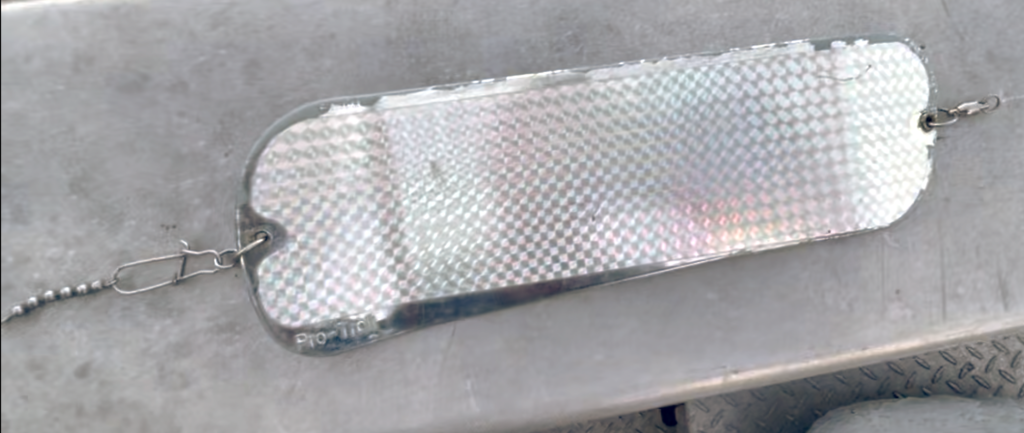
Step 4: Attach your Leader
Attach a bead chain and the leader to the finned end of the 360 flasher, then connect the Silent Pursuit lure to the opposite end. Make sure both snaps are fully closed and the leader is free of knots, damage, or tangles. It is important to use a bead chain attached to the flasher to allow the leader and lure to spin or wiggle depending on the lure you are using.
For a Silent Pursuit lure, a leader between 28 and 36 inches is a dependable starting point. Leaders may be shortened to around 20 to 26 inches when you want the flasher to transfer more aggressive action to the lure.
Leader length changes how the spinner moves behind the flasher:
- Shorter leader, 20–26 inches: Produces a faster, tighter, more erratic action with stronger vibration.
- Standard leader, 28–36 inches: Provides a balanced combination of flasher-driven movement and natural spinner rotation.
- Longer leader, 38 inches or more: Reduces the amount of action transferred from the flasher, creating a wider and more subtle presentation.
For most salmon trolling situations, begin with approximately 30 to 36 inches and adjust from there. Coho often respond well to a faster, more aggressive presentation, while Chinook may prefer a longer leader and slower, wider movement on certain days. We recommend using anywhere from 25 – 40 lbs monofilament depending on the species of salmon you are fishing for.
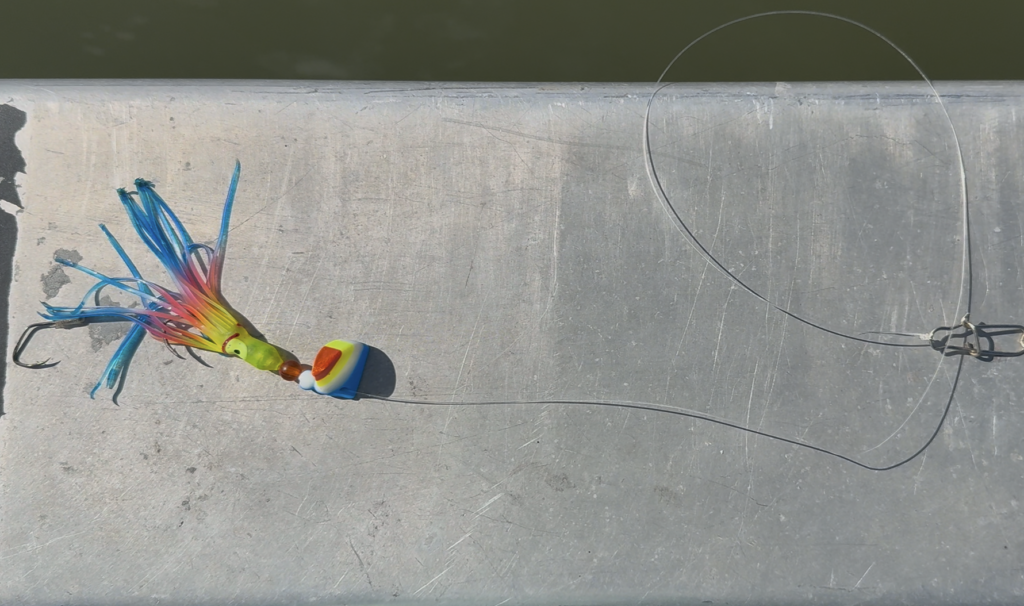
Step 5: Attach the Silent Pursuit Lure
Connect the Silent Pursuit Lure to the end of the leader, making sure the lure is properly sized for the 360 flasher setup.
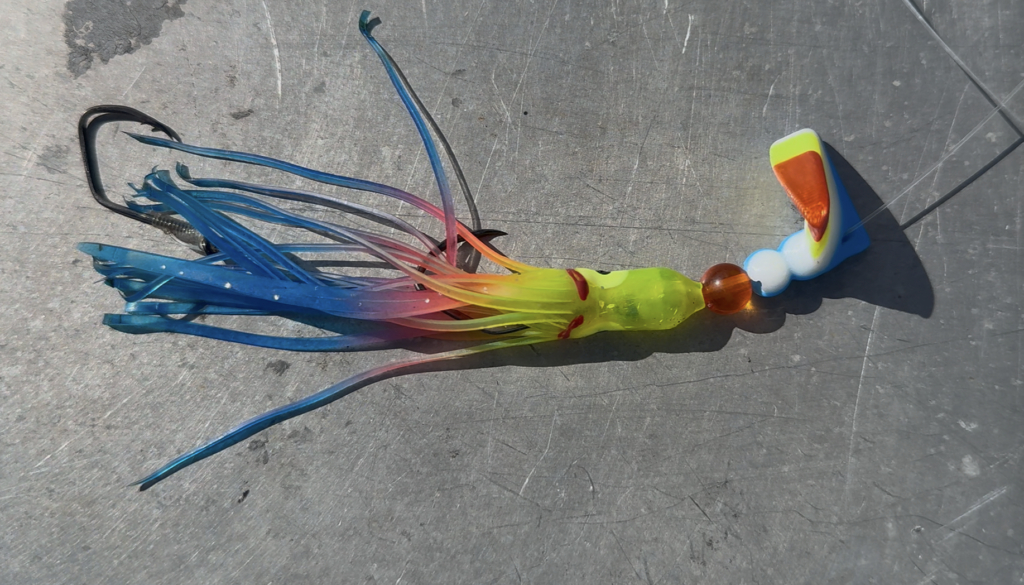
For best performance, use a Size 3 Silent Pursuit lure or smaller. Larger lures can create too much resistance and may interfere with the flasher’s rotation and the overall action of the rig.
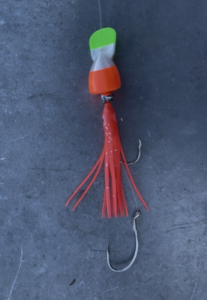
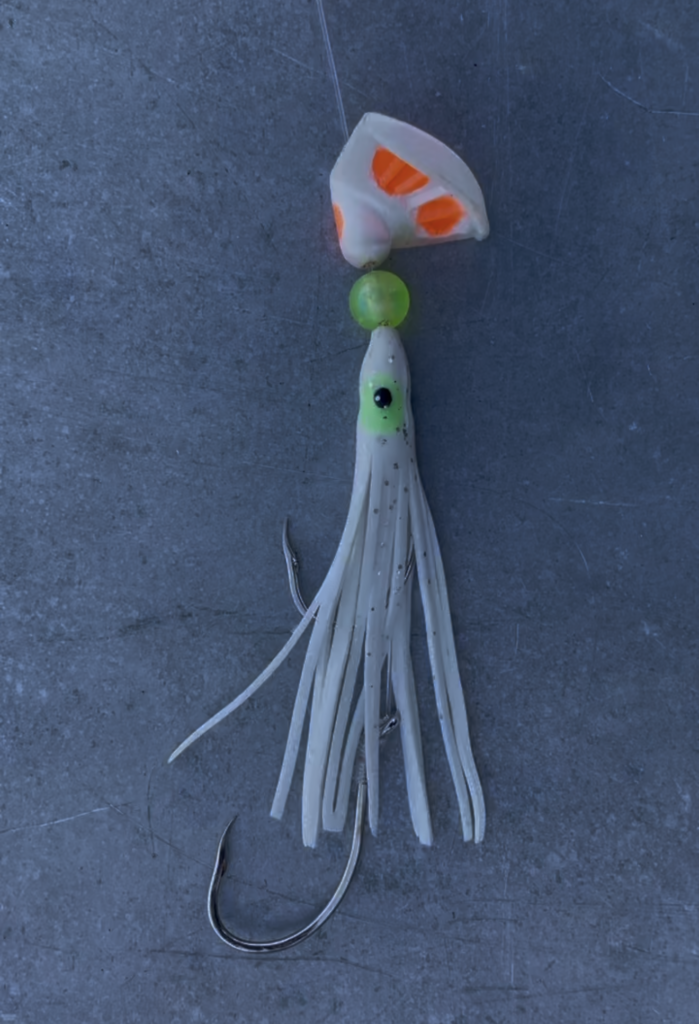
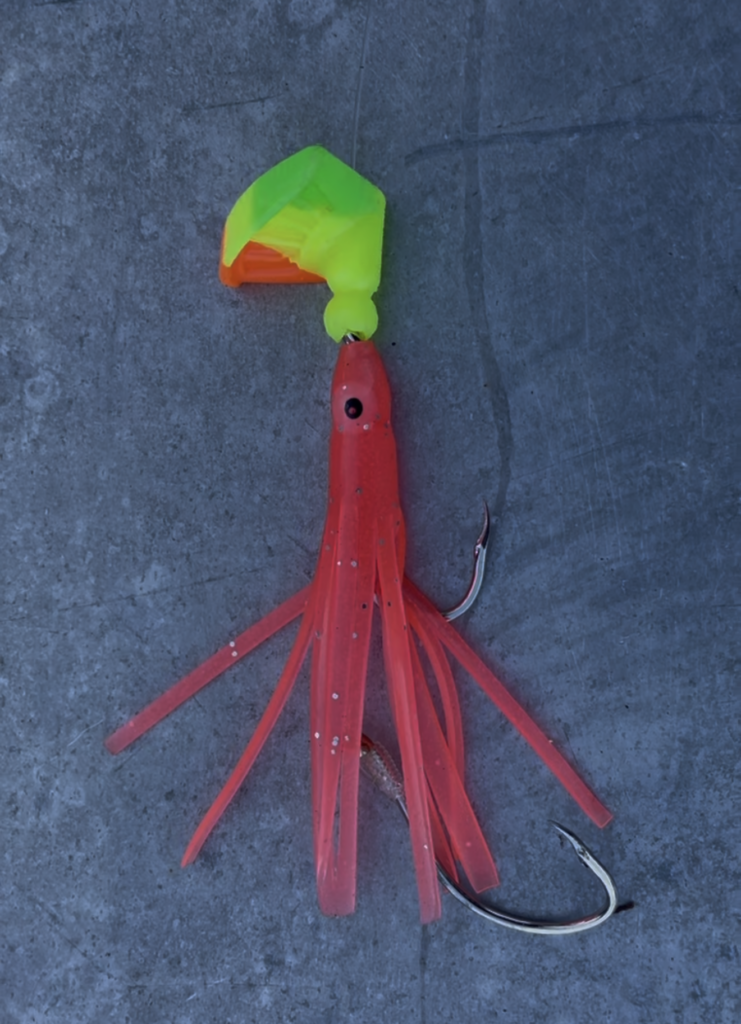
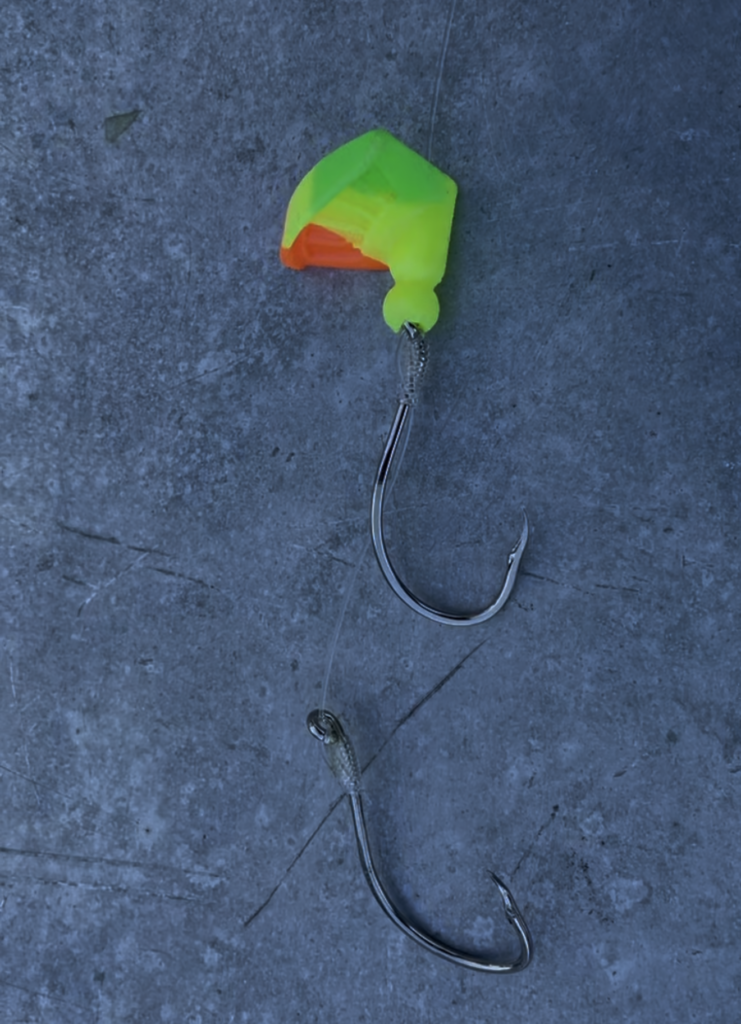
Most Silent Pursuit lures are rigged with one bead between the lure body and the hooks. This bead helps maintain spacing and allows the lure to move correctly without crowding the hook setup.
Use a standard mooching-style hook rig with 3/0 to 4/0 hooks. Make sure the hooks are aligned properly, sharp, and positioned so they do not interfere with the lure’s blade, skirt, or rotation.
Before fishing, check that:
- The lure is Size 3 or smaller.
- A single bead separates the lure from the hooks.
- The hook rig uses 3/0 to 4/0 hooks.
- The lure blade spins freely.
- The skirt is not wrapped around the hooks.
- The hooks are sharp and comply with local fishing regulations.
Once connected, hold the rig beside the boat at trolling speed and confirm that both the 360 flasher and Silent Pursuit lure rotate cleanly before lowering the setup to fishing depth.
Tips For Success
A properly rigged 360 flasher setup should run smoothly, rotate consistently, and produce a steady pulse at the rod tip. Use these tips as a quick reference before and during your troll.
Keep Your Line Near a 45-Degree Angle
At your preferred trolling speed, aim for your fishing line to enter the water at approximately a 45-degree angle. This is a good visual indicator that the rig is fishing effectively while still maintaining control of the presentation.
Current strength determines how much lead you need:
- In stronger current, increase the weight to help maintain the proper angle and keep the rig in the strike zone.
- In slower current or slack water, reduce the amount of lead.
- A typical starting range is 12 to 20 ounces, depending on current, depth, and trolling speed.
Watch for a Consistent Rod-Tip Thump
A properly rotating 360 flasher should create a noticeable, steady thump at the rod tip about once every second.
If the thump is too slow, slightly increase your trolling speed. If it is too fast or erratic, slow down and check the rig for tangles, weeds, or a lure that is not tracking correctly.
The rod tip is one of the easiest ways to confirm that the flasher is rotating consistently below the surface.
Expect to Troll Faster
A 360 flasher is generally trolled faster than many other salmon presentations. The additional speed helps the flasher rotate properly and creates the flash, vibration, and aggressive movement that make the setup effective.
Do not rely only on your boat’s speed reading. Current can change the actual speed of the lure through the water. Use the rod-tip thump and the action beside the boat as your primary guides.
Use the Correct Rigging Order
The full setup should run in this order:
Main line → Slider Lock and lead weight → 20- to 30-inch bumper → smooth end of the 360 flasher → finned end → leader → Silent Pursuit lure
Connecting the flasher backward may reduce or prevent proper rotation.
Use a 20- to 30-Inch Flasher Bumper
The heavy-mono bumper creates separation between the main line and flasher, helping the flasher rotate cleanly without wrapping around the line.
It also adds protection to the rig and may reduce the chance of losing the flasher if the weight or lower portion of the setup becomes snagged.
Start With a 28- to 36-Inch Leader
For most Silent Pursuit spinner setups, begin with a leader between 28 and 36 inches.
A shorter leader creates a faster, tighter, more aggressive action. A longer leader reduces the action transferred from the flasher and produces a wider, more subtle presentation.
Small leader-length adjustments can make a noticeable difference, so experiment when the fish are not responding.
Use a Size 3 Lure or Smaller
Pair the 360 flasher with a Size 3 Silent Pursuit lure or smaller. Larger lures may create too much drag and interfere with the flasher’s rotation.
Most Silent Pursuit setups use:
- One bead between the lure and hooks
- A standard mooching-style hook rig
- 3/0 to 4/0 hooks
Make sure the blade spins freely and the skirt is not wrapped around the hooks.
Test the Rig Beside the Boat
Before sending the rig to fishing depth, place it in the water beside the boat at trolling speed.
Confirm that:
- The flasher rotates continuously.
- The lure spins freely.
- The rod tip shows a steady pulse.
- The leader and hooks are not tangled.
- The flasher is facing the correct direction.
- The snaps and swivels are fully closed.
A quick test beside the boat can prevent wasting an entire pass with a tangled or poorly running setup.
Adjust One Thing at a Time
When making changes, adjust only one variable at a time—such as lead weight, trolling speed, leader length, lure color, or fishing depth. This makes it easier to determine which adjustment improves the presentation.
The goal is simple: maintain the right line angle, watch for a steady one-second thump, and troll fast enough to keep the entire rig rotating cleanly.
Silent Pursuit Lure Rigging Examples